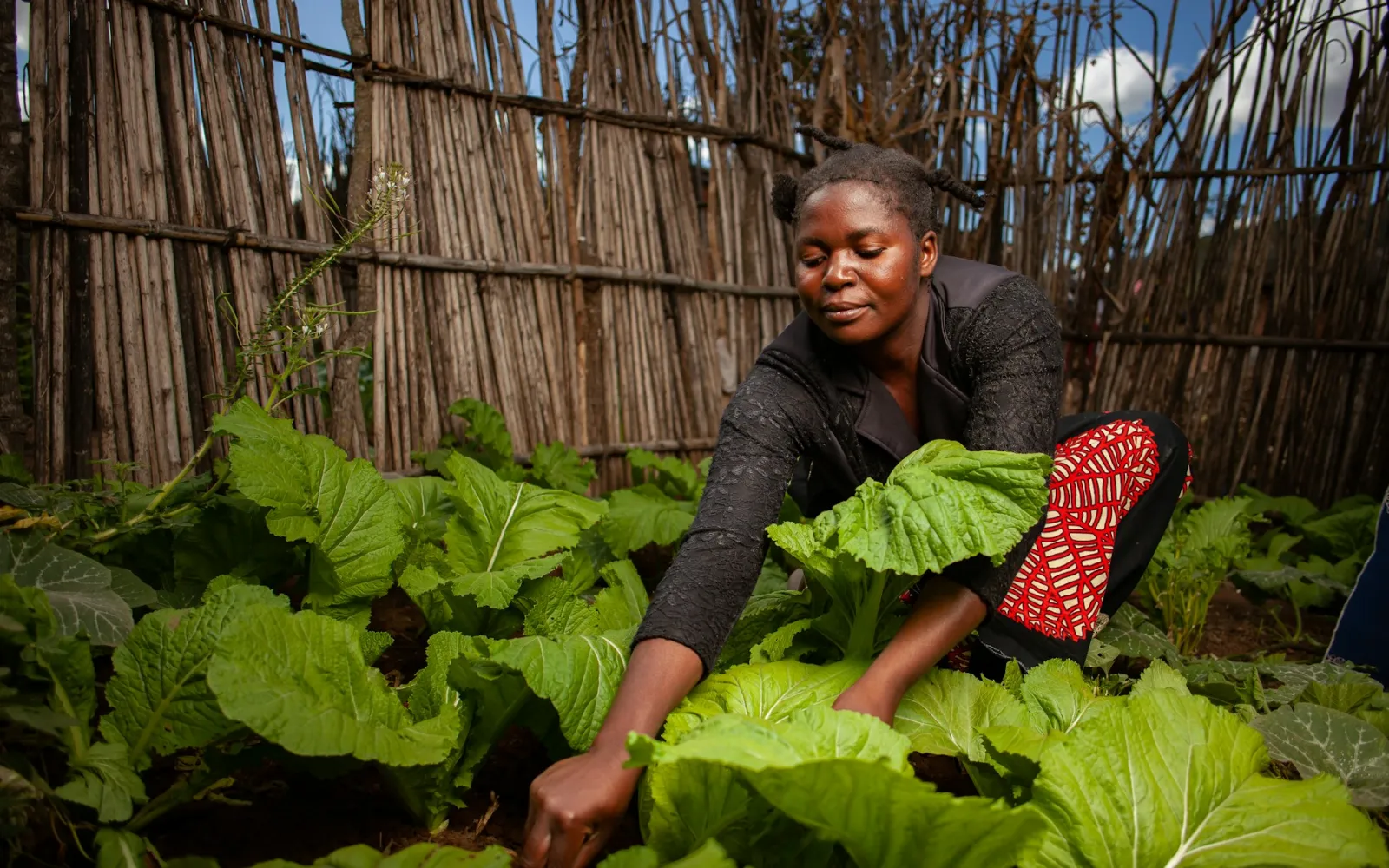
Healthy soil is the foundation of a productive farm. Soil that is rich in organic matter, has a suitable pH and holds nutrients well allows crops to make the most of every input. Understanding your soil helps you avoid wasting money on fertiliser that your crop cannot use.
What plants need from the soil
Plants need at least 17 essential nutrients. The major nutrients, needed in the largest amounts, include nitrogen (N), phosphorus (P) and potassium (K). Too little of a nutrient limits growth, but too much can also be harmful to plants and to the environment.
Reading the signs in your crop
Nitrogen, phosphorus and potassium move within the plant, so shortages usually show first on the older, lower leaves. Common signs include:
| Nutrient | Common deficiency signs |
|---|---|
| Nitrogen (N) | Lower leaves turn yellow; growth is slow and stunted; yield and quality fall. |
| Phosphorus (P) | Leaves or leaf edges turn purplish; plants are stunted and weak; maturity is delayed. |
| Potassium (K) | Older leaves turn yellow and die back along the edges. |
Leaf symptoms can be misleading. Disease, drought, waterlogging, pests and chemical injury can all look like nutrient shortages. A soil test, and where needed a plant tissue test, is the most reliable way to confirm what is happening.
Organic matter: the foundation of fertility
Soil organic matter holds plant nutrients and helps stop them washing down below the root zone. As it breaks down, soil organisms gradually release nitrogen, phosphorus and sulphur that crops can use. Organic matter also improves soil structure, helps the soil hold water and buffers it against sudden changes in pH.
The Food and Agriculture Organization of the United Nations (FAO) notes that on depleted soils in sub-Saharan Africa, chemical fertiliser often fails to give the expected benefit because organic matter and soil life are low. Building organic matter and using fertiliser go hand in hand. Practical ways to add organic matter include:
- Returning crop residues to the soil instead of burning them.
- Adding well-decomposed compost or manure.
- Growing cover crops and including legumes in your rotation.
- Mulching to protect the soil surface.
Why soil pH matters
Soil pH describes how acidic or alkaline a soil is, and it controls how available nutrients are to plants. Most crops grow best in slightly acidic soil, around pH 6.0 to 6.8. In more acidic soils, phosphorus, nitrogen and potassium become less available and aluminium or manganese can reach levels that damage roots.
Liming can correct acidity, but applying too much lime can push the pH too high and lock up micronutrients. A soil test is the best way to decide whether lime is needed and how much.
Responsible fertiliser use: the 4Rs
The 4R Nutrient Stewardship approach, promoted in Africa by the African Plant Nutrition Institute, is a simple way to think about fertiliser decisions. It means applying:
- The right source: a product that supplies the nutrients your soil and crop actually need.
- At the right rate: based on a soil test and the crop’s requirements, not guesswork.
- At the right time: when the crop can take up the nutrients.
- In the right place: where roots can reach the nutrients and losses are minimised.
Getting these four decisions right supports profitable yields, prevents nutrients being mined from the soil and reduces harm to water and the wider environment.
This article does not give fertiliser or lime application rates, because the right amount depends on your soil test results, crop and location. Always follow product labels and the advice of a qualified agronomist or extension officer.
Getting your soil tested in Uganda
The National Agricultural Research Laboratories (NARL) at Kawanda, part of the National Agricultural Research Organisation (NARO), list soil testing analysis among their services. Contact details are available on the NARO website. Ask how to collect and submit a representative sample before you send one.
References
- UConn Home and Garden Education Center. Watch out for these nutrient deficiency symptoms (external site)
- FAO. The importance of soil organic matter (external site)
- University of New Hampshire Extension. Soil pH and plant growth (external site)
- African Plant Nutrition Institute. 4R Nutrient Stewardship for Africa (external site)
- NARO Uganda. National Agricultural Research Laboratories (NARL) (external site)